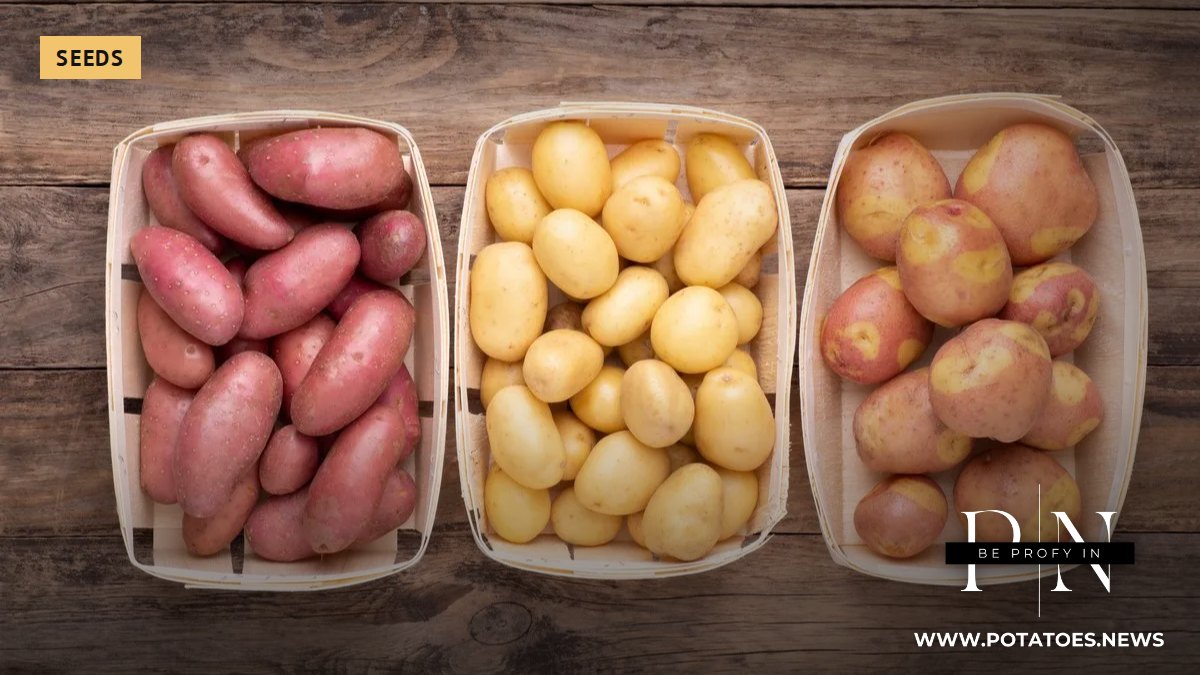
Belarusian agricultural specialists have identified the best potato varieties for long-term storage, with “Skarb” standing out as the champion. According to Vadim Makhanko, Director General of the Research and Practical Center of the National Academy of Sciences of Belarus for Potato, Vegetable and Fruit Growing, “Skarb” stores better than any other variety in a standard separately dug cellar. For extended storage, breeders also recommend late-maturity varieties such as “Vektar,” “Rubin,” and “Nara.” Yulia Gunko, Head of the Potato Breeding Department at the Center, specifically highlights “Skarb,” which has been in the State Register for 20 years and maintains leading positions in the fields. She notes that while early varieties “Pershatsvet” and “Briz” are valued for not boiling soft, this does not mean they cannot be stored. Makhanko also singles out “Skarb” for culinary purposes, noting it is best suited for making draniki and babka.
For household plots, Makhanko recommends early varieties “Yulia” and “Pershatsvet,” mid-early “Briz,” “Manifest,” and “Mastak,” mid-season “Skarb” and “Garantiya,” and mid-late “Nara” and “Lel.” Among the most popular Belarusian varieties, he names “Skarb,” “Briz,” “Manifest,” and “Pershatsvet.” Proper storage begins with a healing period: potatoes are kept for two weeks in a dark, ventilated room at +15…+16 °C. Then the temperature is reduced by half a degree per day, and the tubers are transferred to a deep, ventilated cellar at +2…+4 °C. This gradual cooling method ensures optimal conditions for long-term preservation.