¿Quién cultivará nuestras patatas? Una nueva serie internacional sitúa la viabilidad del productor en el centro del debate del sector.
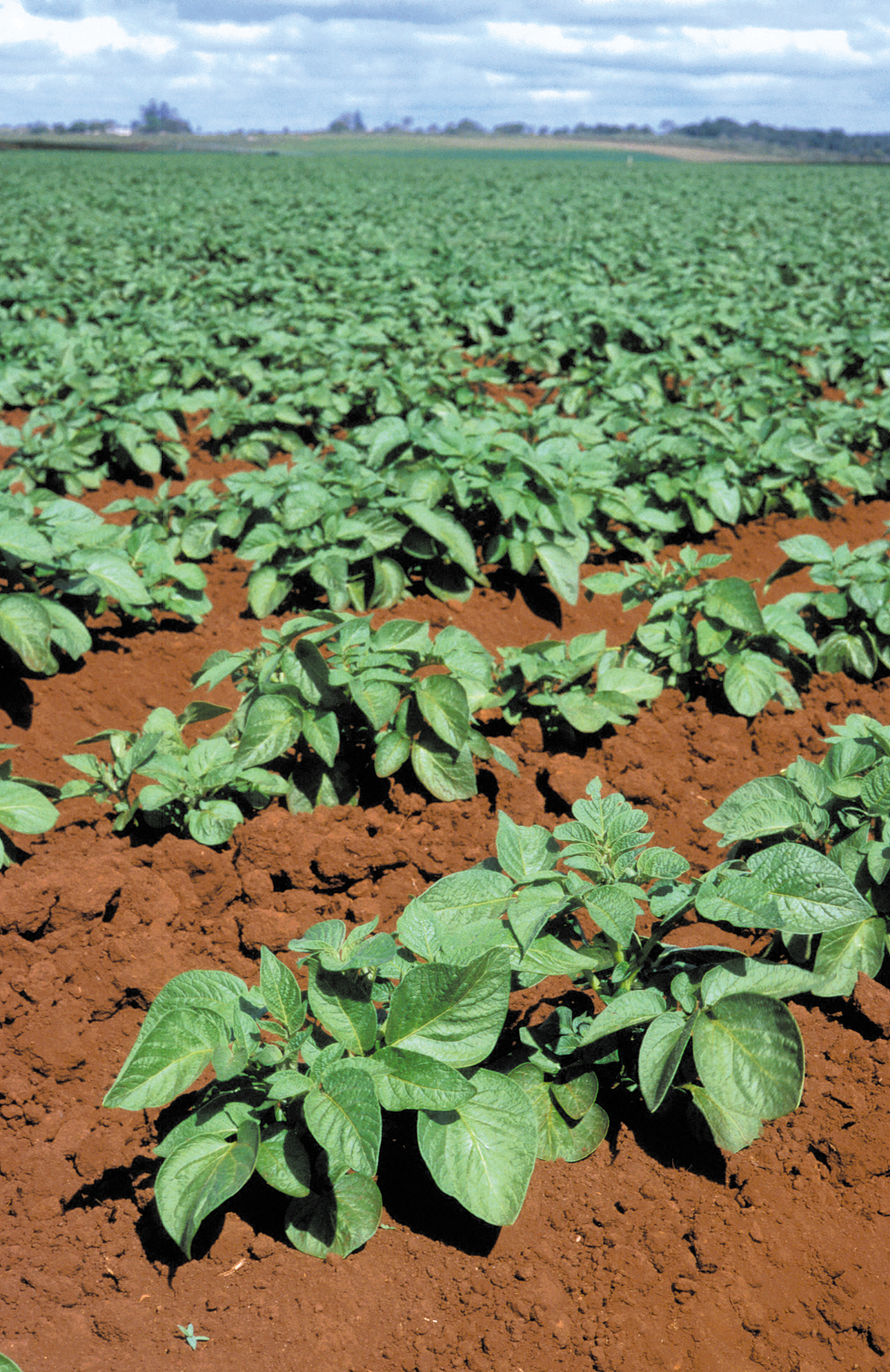
The potato industry’s ambitions — dependable supplies, better varieties, sustainable production, expanding markets — all rest on one precondition: that people can make a viable living growing the crop. That is the premise of “Who Will Grow Our Potatoes?”, a new international series launched on 16 October by Potato News Today editor and publisher Lukie Pieterse, which will examine the people, business conditions and practical opportunities shaping the future of potato production.
The opening essay sets an exacting definition of viability: the capacity to sustain an operation across successive seasons — not merely surviving a difficult year while postponing unavoidable investments. A crop must establish, grow, survive disease and weather, and meet market requirements; the business behind it must cover operating expenses, maintain machinery and irrigation systems, and absorb disappointment when yield or prices fall short.
The essay grounds the theme in current developments. In the United States, AgWest Farm Credit’s 14 October potato update points to improving conditions for some growers: a smaller expected 2026 US crop, tighter supplies and stronger russet prices. In England, the picture is inverted: on 15 October the UK government announced severe drought in parts of six counties, with measures to safeguard public water supplies and increased compliance checks on abstracting businesses. The Environment Agency’s drought report for 2–8 October, updated 9 October, had already flagged concerns about winter reservoir refilling — some agricultural storage reservoirs stood at only 0–20% capacity. For potato businesses weighing future plantings, water availability, infrastructure and investment now form a single linked question.
De lunes a viernes. Cancela tu suscripción con un solo clic.
From Kenya, the essay cites a study published in Potato Research on 14 April by E. O. Atieno, C. J. M. Almekinders and P. C. Struik, “Developments and Challenges of the Kenyan Potato Sector”. Registered potato varieties in Kenya rose from 15 up to 2010 to 77 by 2024 — yet the authors find persistent market-access weaknesses and argue that interventions have often emphasized technical solutions while underweighting smallholders’ socioeconomic and institutional circumstances. Better seed, the essay concludes, must fit the farmer’s actual circumstances: obtainable, financeable, manageable, sellable.
The entry side of the equation appears in India’s Sundarbans, where a May 2026 account by the International Potato Center describes zero-tillage potato production under rice-straw mulch, involving CIP, ICAR’s Central Soil Salinity Research Institute and the Nature Environment and Wildlife Society. Seed reached 1,476 farmers in the 2025–26 season, with women managing 35% of participating plots. “Now, we recognize ourselves as farmers,” Annapurna Parya of Sagar Island told the project team.
Generational renewal frames the series’ longest horizon. Statistics Canada’s analysis of the 2021 Census of Agriculture, released in May 2022, put the average farm-operator age at 56.0 years, with operators aged 55 and older accounting for 60.5% of the total — and only 12.0% of farms reporting a succession plan, up from 8.4% in 2016. The essay also points to processing investment, such as McCain’s agreed acquisition of Falcon Agrifriz Foods’ frozen potato business in Gujarat, as creating questions for supplying farms alongside opportunities. For an industry debating its future, the series promises scrutiny of a practical kind: what changed in the operation, what evidence supports the benefit, and who makes the innovation work.
Fuente: Noticias de papa hoy