Kiwa founder and CEO Martín Acosta’s industry update draws attention to the debate over frying oils in the United States snack market. For potato and root-crop processors, the useful business question is how a change in oil affects formulation, sourcing and a product’s customer proposition, without turning a marketing trend into a health claim.
What the market discussion covers
The update supplied to Potatoes.News refers to coverage of changing demand for products marketed as free from seed oils. Morning Brew’s report of 10 November attributes the wider market discussion to Bloomberg and NielsenIQ. That coverage concerns a category of labelled products, rather than potato chips alone.
Kiwa’s página web oficial lists snacks made from Andean potatoes and cassava, placing the company within a broader root-crop snack market. A product range and a chief executive’s comment do not establish the company’s sales growth, the performance of a particular new recipe or the size of the potato-chip opportunity.
De lunes a viernes. Cancela tu suscripción con un solo clic.
For that reason, the immediate story is an ingredient and positioning discussion. No new Kiwa investment, supply contract or quantified company result is established by the supplied update. A processor can follow the trend while still requiring evidence about its own buyers and products.
Changing an oil means reviewing the product
For a snack manufacturer, the commercial assessment can begin with the intended consumer proposition. Is the buyer asking for a named ingredient, a particular flavour profile, a sourcing commitment or a claim on the pack? These are related questions, but they are not interchangeable.
A proposed formulation then needs product-specific evaluation. The company must consider whether it can obtain a consistent ingredient, maintain the characteristics its customers expect and describe the finished product accurately. A fashionable label does not answer questions about supplier reliability, cost or repeat purchasing.
This is also a reason to separate branding from evidence. Describing a product as made with a particular oil is a statement about ingredients. Describing it as healthier requires appropriate substantiation and compliance with the rules in its market. The social-media debate alone cannot supply that substantiation, and this report makes no recommendation to consumers to avoid a category of oils.
Supplier verification deserves attention
Un estudio de la UC Davis Food Quality Laboratory on avocado-oil quality and authenticity provides a separate reminder that ingredient identity and quality need verification. It is not a finding about Kiwa’s own suppliers or finished products, and it should not be used to imply a problem with them.
For processors evaluating an alternative oil, a practical follow-up is to define the required specification, request appropriate supplier documentation and agree how conformity will be checked. The evidence should relate to the actual ingredient being purchased, not simply to a general reputation for the crop from which it is made.
The opportunity for potato and root-crop snacks will ultimately depend on a product that customers want and a supply chain capable of delivering it consistently. Tracking ingredient trends can identify questions worth testing. Formulation trials, sourcing checks and direct customer feedback are what turn those questions into a sound commercial decision.
Qué significa esto para las granjas y el mercado.
- The reported seed-oil-free discussion covers a broader labelled-food market, not potato chips alone.
- Assess ingredient cost, consistency, product quality and customer demand together.
- Keep ingredient descriptions separate from health claims and verify the actual oil supply.
Fuentes
- Kiwa — official product and company website
- Morning Brew — US seed-oil-free product market, 10 November 2026
- UC Davis — avocado-oil research
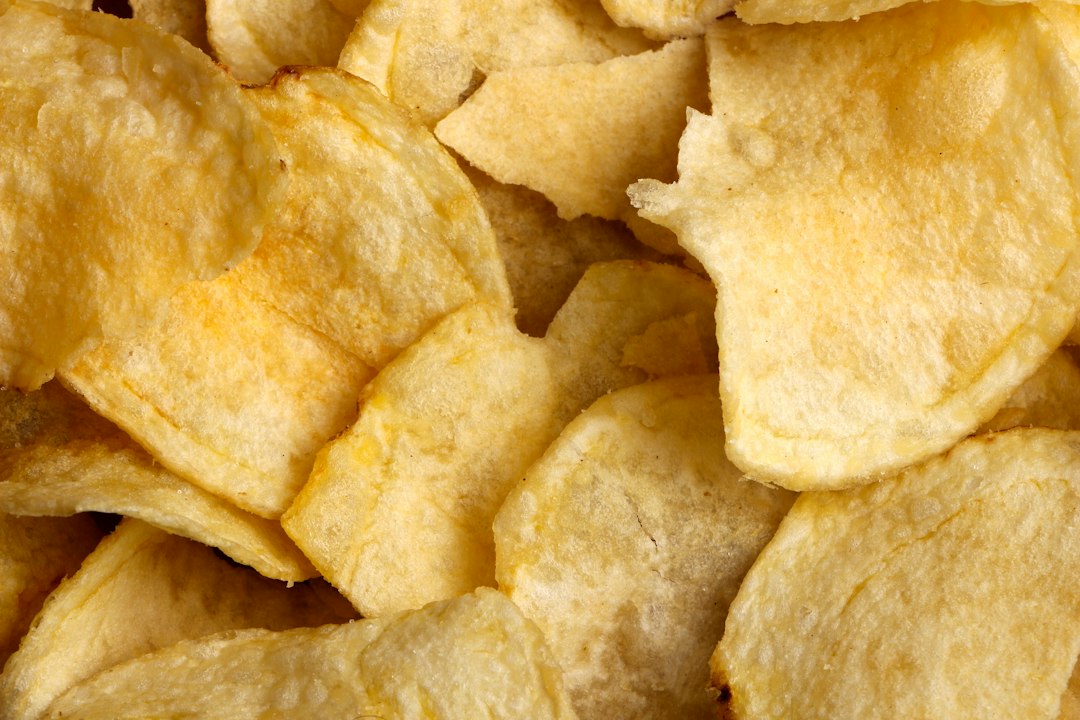
Potato crisps in close-up; illustrative photograph, not a Kiwa product. Photo: Mustafá Bashari / Unsplash.