#AbutilonTheophrasti #InvasiveWeed #Agriculture #CropYield #Herbicides #CulturalControl #MechanicalControl
Abutilon the
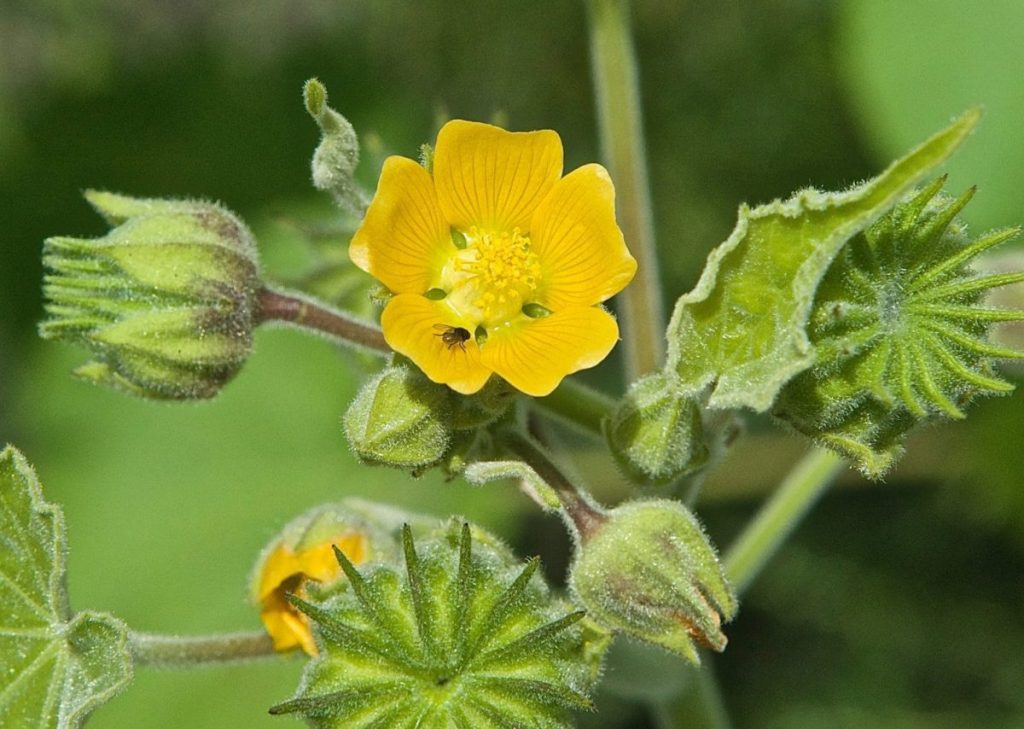
Abutilon theophrasti has become a major problem for farmers because of its ability to compete with crops for resources such as water, nutrients, and light. This weed can grow up to 7 feet tall and produces a large number of seeds that can remain viable in the soil for up to 50 years. The seeds are also easily spread by wind, water, animals, and machinery, making it difficult to control their spread.
Weekdays. Unsubscribe in one click.
The consequences of Abutilon theophrasti infestation can be severe. This weed can reduce crop yields by as much as 60%, which can have a significant impact on the livelihood of farmers. In addition, the presence of this weed in harvested crops can make them unsuitable for sale, as it is considered a contaminant in many markets.
To control the spread of Abutilon theophrasti, farmers must use a combination of methods, including cultural, mechanical, and chemical control. Cultural control methods include crop rotation, which can help to reduce the weed population by limiting the availability of resources. Mechanical control methods include hand weeding and mowing, which can be effective in small-scale operations. Chemical control methods include the use of herbicides, which can be effective in reducing the weed population.
In conclusion, Abutilon theophrasti is an invasive weed that poses a significant threat to agriculture. Its ability to compete with crops for resources and produce a large number of seeds makes it difficult to control its spread. Farmers must use a combination of methods to control the spread of this weed and protect their crops.