Middle East and African Markets Drive Potato Seed Imports: Insights from Saudi Agriculture & World Potato Congress (Kenya)
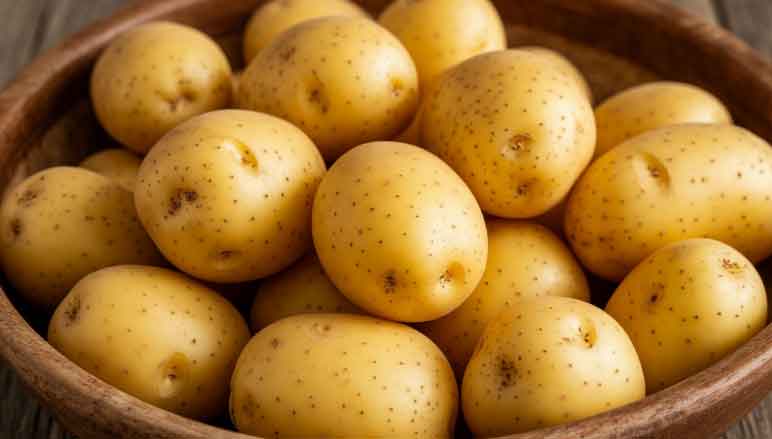
The potato industry is witnessing a significant geographic shift as markets in the Middle East and Africa aggressively expand their import volumes of seed potatoes from the CIS and European countries, registering a notable 22% increase in recent trade flows. This surge will be a central topic at the upcoming Saudi Agriculture exhibition and the World Potato Congress (WPC) in Kenya, where stakeholders will address the specific demands of these arid and semi-arid regions. Saudi Arabia, in particular, is prioritizing varieties with exceptional heat tolerance and resistance to soil salinity, with cultivars such as Hermes and Lady Rosetta gaining traction among local growers. These varieties are valued for their ability to maintain yield and tuber quality under extreme thermal stress and brackish irrigation conditions, making them indispensable for the Kingdom’s food security strategy as it aims to boost domestic production amidst challenging climatic conditions.
Simultaneously, the African continent is exploring revolutionary approaches to seed systems, with the WPC in Kenya highlighting the adoption of hybrid True Potato Seeds (TPS) as a game-changing innovation. Unlike conventional seed tubers, TPS offers logistical advantages, including reduced storage volume, lower transportation costs, and disease-free propagation, which are critical for smallholder farmers across Africa. The discussion in Nairobi will center on integrating TPS with traditional seed systems to accelerate variety dissemination and improve access to high-quality genetics. Together, these parallel trends—Saudi Arabia’s demand for climate-resilient varieties and Africa’s pivot toward hybrid seed technology—underscore a broader transformation in global potato production, where adaptability, sustainability, and seed system efficiency are becoming paramount for feeding rapidly growing populations in some of the world’s most water-scarce regions.